

Living with her partner in a shared house, spending days between the kitchen, local cafés, and familiar faces.
Returning to a Place That Already Felt Like Home
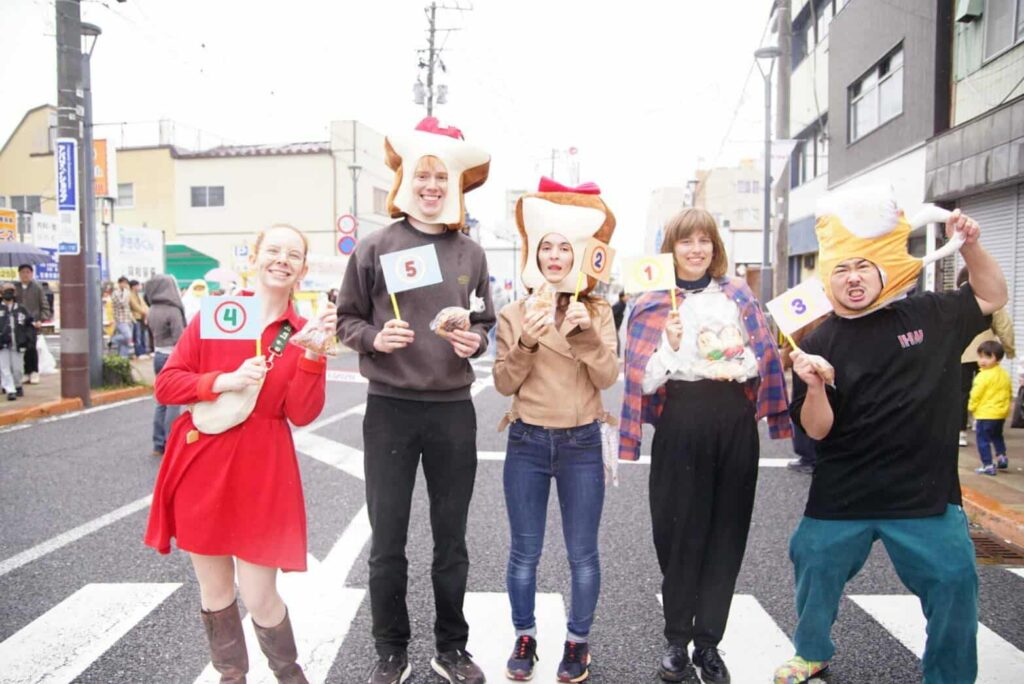
Crystal Blad, a 28-year-old UX designer from France, has been interested in Japan since she was ten. Even as a child, she began saving money little by little, imagining that one day she would spend meaningful time here.
During university, she traveled to Japan during summer breaks, visiting different regions and noticing how daily life looked outside of big cities. But Ishinomaki is the place that stayed with her.
Seven years ago, she joined an internship program by Boundless focused on local tourism and regional revitalization. She lived at COMICHI, a shared house in the center of town, and spent her days talking with shop owners and joining local events. Daily life in Ishinomaki became something she learned directly from people, not from guidebooks.
“People welcomed me even when my Japanese wasn’t good yet.
It wasn’t something I tried to do. It just happened through living together.”
When she returned to France and people asked,
“Where in Japan did you like the most?”
her answer was always the same: Ishinomaki.
This year marks her fourth stay in Japan. She came on a working holiday visa with her partner. They arrived in May and plan to stay until next spring.
Choosing to return to COMICHI felt natural because it already felt like home.
Life at COMICHI: A Home That Opens Into the Town

In France, Crystal says, shared houses are common, especially among students. They are affordable, social, and make it easy to cook together or host small gatherings.
Although it was already her second time in Japan, it was the first time she stayed for several months and COMICHI felt familiar right away. One of the things she appreciates most is how you do not have to buy everything from scratch. In a typical Japanese rental, you need to purchase almost everything yourself:
- Furniture
- Kitchen tools
- Appliances
- Light fixtures, even ceiling lights
For someone staying only one year, buying and later disposing of these items is stressful and expensive.
At COMICHI, everything is already set up. She has a bright private room and a shared kitchen where inviting friends feels simple. Because the house is located in the middle of town, daily life flows naturally between home and the surrounding neighborhood.
Recently, Crystal and Anaec hosted a Halloween party at COMICHI. They dressed up, cooked themed dishes, and enjoyed it with their friends. It was one of the ways they plan little moments to make everyday life at COMICHI more enjoyable.
Crystal likes how easy it is to meet someone in the kitchen, go out together, or simply share a conversation without planning.
Living Close in Ishinomaki: A Town Where Connections Happen Naturally
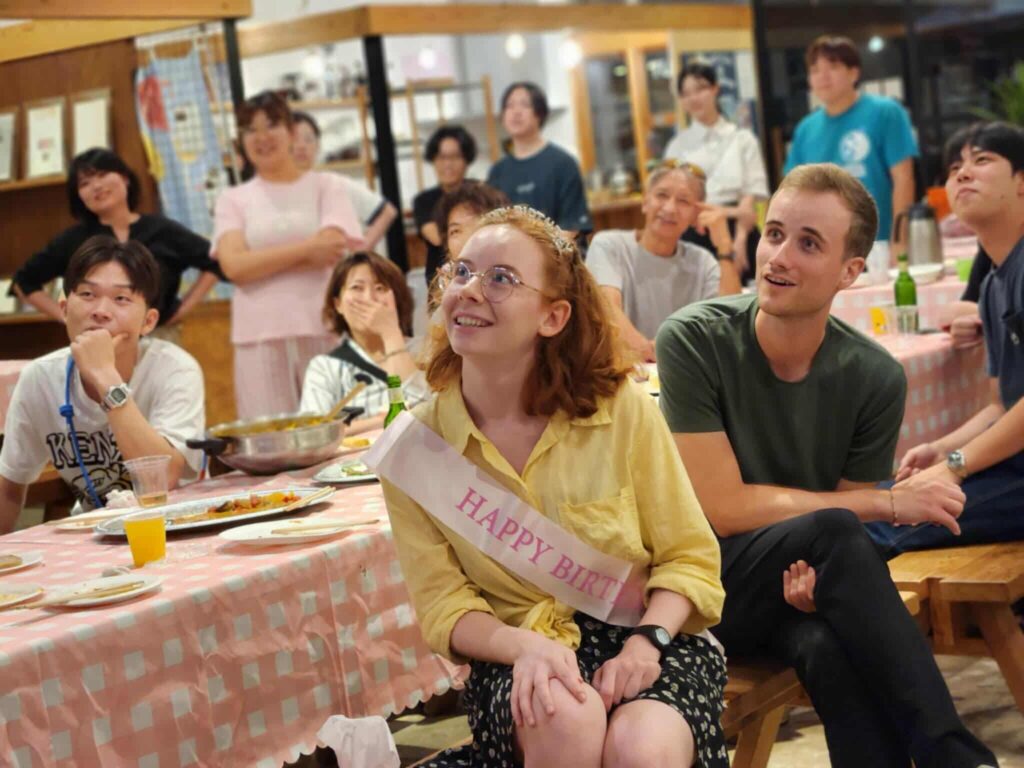
When Crystal and her partner returned to Ishinomaki, they returned to a walkable daily life.COMICHI is a short walk from the places that shape their routines:
- IRORI, the café and coworking space where Crystal works
- Imamura, the Japanese restaurant where her partner works
The walk from home to work takes only a few minutes. On the way, they see familiar faces, exchange greetings, and sometimes make plans without arranging anything in advance.
At Imamura, her partner was welcomed naturally. The owner, once a backpacker, invited him to staff dinners, seasonal events, a company trip to Nagano, and long conversations while preparing ingredients in the kitchen. None of it was organized as a “cultural experience.” It simply came from spending time together.
How Favorite Local Spots Shape Daily Life
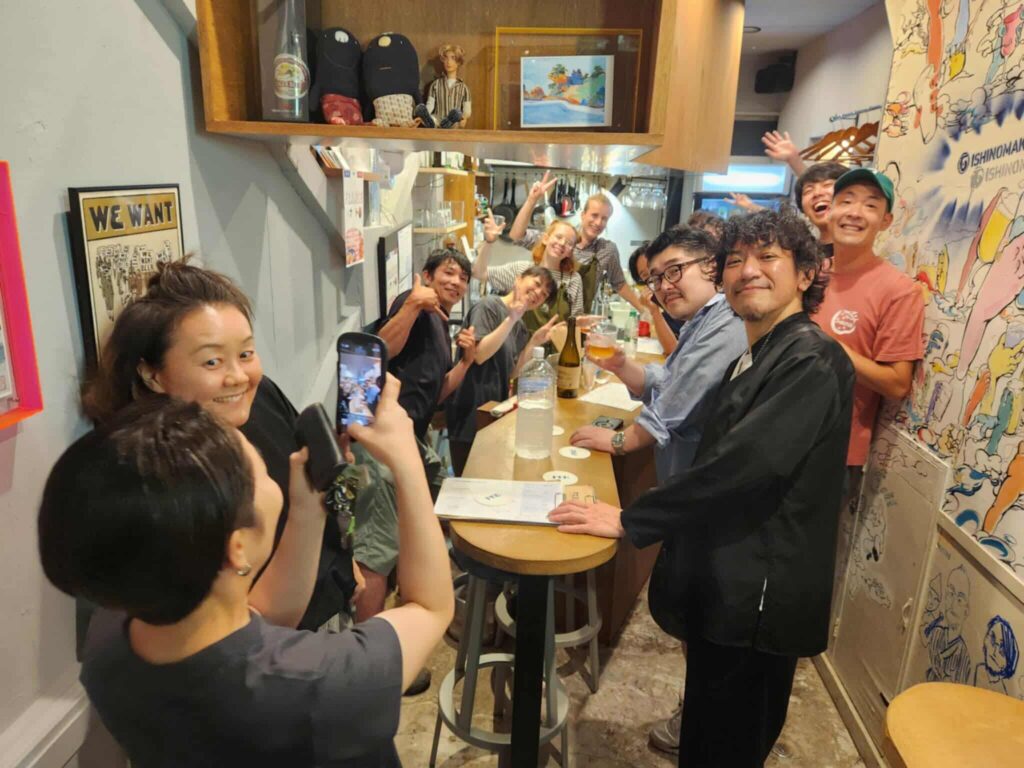
Crystal’s life in Ishinomaki fits into a small, walkable circle. On the way home, she often stops at Culture Box. Some days it is curry. Some days it is shaved ice. Some days it is just saying hello. The staff remember her and the conversations are casual and warm.
She has a few favorite lunch spots nearby:
- Sanzen Sekai Rin: a handmade hamburger lunch for around 1,500 yen
- Shizen Shokudo SAN: warm, healthy meals that feel good on slow days
- IRORI: where she works, and genuinely enjoys being
Having good, affordable places to eat nearby matters to her because cooking is not something she particularly loves. Ishinomaki makes eating well feel easy.
In July, Crystal and her partner hosted a small French Night at FKB, serving croque monsieur and other fancy French dishes that people don’t usually make at home. Warm croque-monsieur, small shared plates, simple wine. People drifted in and out. Conversations stretched. It was relaxed, familiar, and unforced.
When Problems Turn Into Warmth
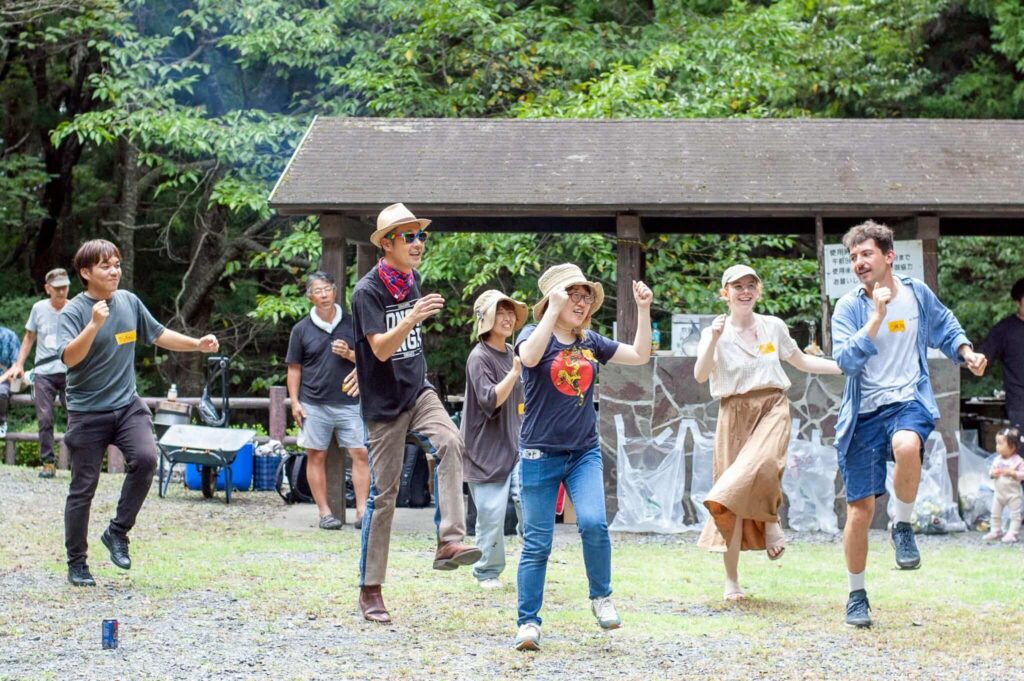
Crystal laughs when she explains this, but it reveals something important about Ishinomaki:
“When something goes wrong here, it somehow turns into kindness.”
This time, she only brought summer clothes. When autumn came, she mentioned it casually. People simply started handing her sweaters and jackets. Now she jokes she may need to host a small flea market before returning to France.
Seven years ago, she lost her COMICHI key and had to pay the replacement fee. Someone at FKB suggested she work behind the bar for one night. She did. She earned exactly what she needed.
That is the kind of city Ishinomaki is.
Ishinomaki Offers a Local Life That’s Hard to Find in Tokyo
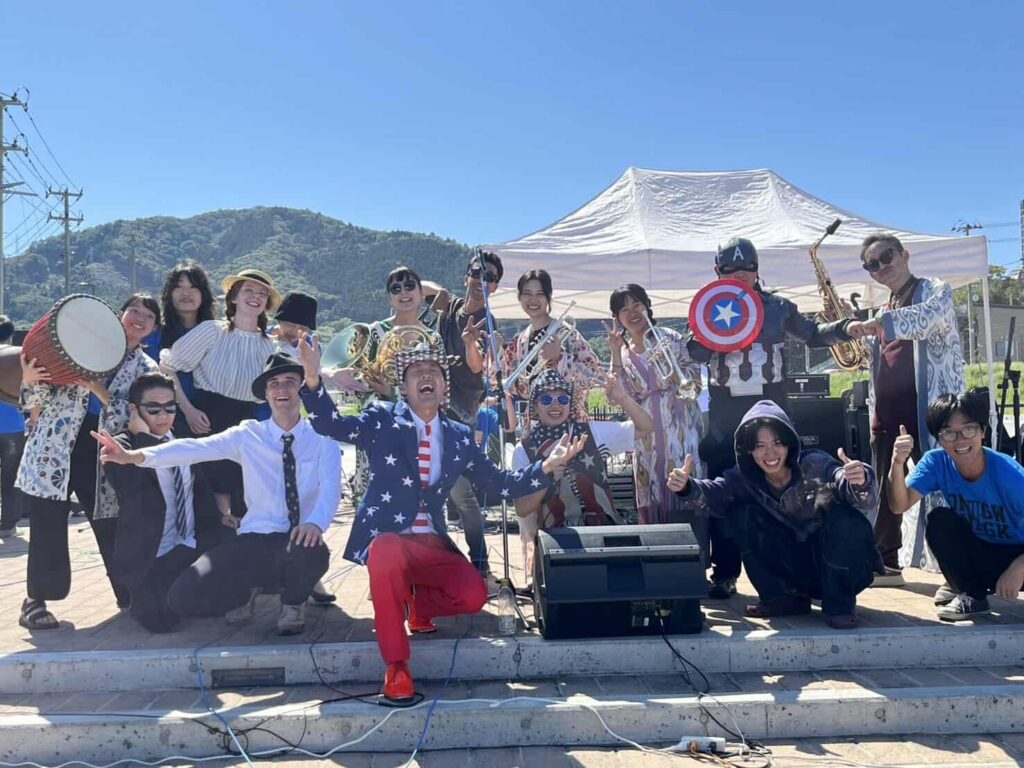
In large cities like Tokyo, it is possible to live in Japan without really interacting with Japanese daily life.
Crystal has friends who live there and enjoy it, but most of their routines happen in English or French, spent with other foreigners. They live in Japan, but their everyday life overlaps mostly with each other.Ishinomaki feels different.
Here, Japanese is not something to practice. It is simply the language of daily interaction.At IRORI, Crystal speaks with coworkers, regulars, and neighbors who stop by just to say hello.Her days unfold in Japanese because her days are shared with people who live here.
Her partner arrived speaking almost no Japanese. He learned at Imamura, the restaurant where he works.Not from lessons, but from being there.In the kitchen, he and the chef spoke in a mix of French, Japanese, and English.Over time, that mix has shifted. He understands more Japanese, the chef understands more French, and their conversations have become smoother and warmer.
Crystal believes this kind of environment matters.
“If you live in Japan but do not connect with the people around you, it feels like you are not really living in Japan.The real experience is in the everyday moments.”
Living here does not feel like observing Japan from the outside.It feels like being inside it.Not sightseeing.Not checking off experiences.
Just living — with others.
If You Are Considering Living in Japan

Finding a place to live is not only about the property itself or the price.
It begins with the kind of daily life you want to build.
- Do you want to live in a town where you recognize faces?
- Do you want to walk to your favorite café or local shop?
- Do you want to speak with people as part of your everyday routine?
These are the elements that shape a sense of home. The house can come afterward, once your daily life begins to take root.
Support from Roopt and akiyafor
At Makigumi, we support people who want to explore living in regional Japan in a gradual and grounded way.
| Service | Description |
| Roopt shared houses | Stay from one day to several months. A gentle way to get to know the town and its people. |
| Short- and medium-term rental houses | Live in the area while you learn its rhythm and see how daily life fits. |
| akiyafor | Support for finding vacant homes, understanding local context, and planning renovation or operation. |
Whether you want to try living in a shared house, stay for a season, or explore owning a home in the future, you can move step by step. There is no need to rush.
If you would like to talk about possibilities, we would be happy to hear from you.
It can simply start with a conversation.
The rest can unfold slowly, in the same way that daily life unfolds here.
>>Contact | akiyafor